- Home »
- Catalog »
- Valvetrain Components »
- Valve Springs and Spring Kits »
- Valve Springs- Custom Install Heights and Pressures
Valve Springs- Custom Install Heights and Pressures

Valve Spring Selection for Pontiac Engines
Proper valve spring selection is an important part of any Pontiac engine build. Spring pressure, installed height, and overall valvetrain compatibility all influence how well an engine performs across the RPM range. Selecting the proper performance valve springs is one of the most important steps in building a Pontiac engine that delivers reliable performance over time. Through decades of Pontiac engine development and dyno validation, Butler Performance has seen how properly matched valvetrain components contribute to reliable performance.
How Valve Spring Pressure Affects Pontiac Engine Performance
From mild street combinations to high-RPM race engines, valve spring pressure plays a major role in maintaining stable valve motion. The spring must apply enough force to keep the valvetrain operating in sync as engine speed increases.
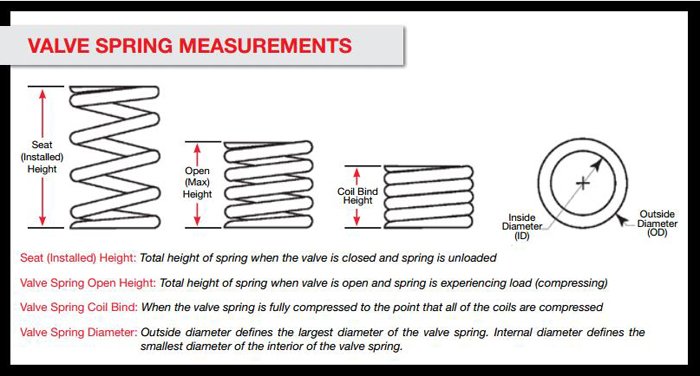
Camshaft design heavily influences spring requirements. Engines running aggressive roller profiles often need different pressures than combinations equipped with hydraulic flat tappet cams. Matching the spring to the application helps maintain consistent valve control without placing unnecessary stress on the rest of the valvetrain. Installed height is equally important. Even a high-quality spring may not perform as intended if the installed height is not properly measured and set during assembly. Small changes in installed height can alter spring pressure and affect overall valvetrain behavior.
Preventing Valve Float in Pontiac Performance Builds
Pontiac engines that spend time in the upper RPM range place greater demands on the valvetrain. When spring pressure is insufficient or components are mismatched, valve float can occur. Instead of following the camshaft's intended motion, the valve may begin to lose contact with the valvetrain during operation. The result can be inconsistent power and accelerated wear on critical components.
Fortunately, preventing valve float starts with proper planning. Selecting compatible retainers and performance valve springs, while verifying installed height and pressure specifications, helps create a stable valvetrain package capable of handling the intended operating range.
Choosing the correct valve spring package involves more than simply matching part numbers. Spring pressures, installed heights, cylinder head specifications, and RPM goals all influence the final recommendation. The team at Butler Performance can help evaluate your combination and recommend proven Pontiac valvetrain components backed by years of real-world engine-building experience. Contact us today to find out more!
FAQs
How often should valve spring pressure be checked?
For race engines, periodic pressure checks are a good part of routine maintenance. Street-driven combinations generally require less frequent inspection, but verifying spring condition during major engine service can help identify fatigue before performance suffers.
Why do some Pontiac engines use dual valve springs?
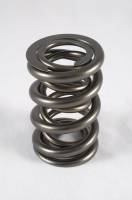
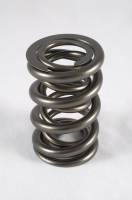
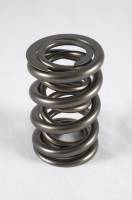
Higher engine speeds and more aggressive camshaft profiles often require additional valve control. Dual springs provide extra stability by helping manage the forces acting on the valvetrain, particularly in demanding performance applications.
Can the installed height affect spring pressure?
Absolutely. A small change in installed height can alter both seat and open pressure. That is why engine builders carefully measure installed height during assembly rather than relying solely on catalog specifications.
Browse Valve Springs- Custom Install Heights and Pressures Products