
Engine Building Tools
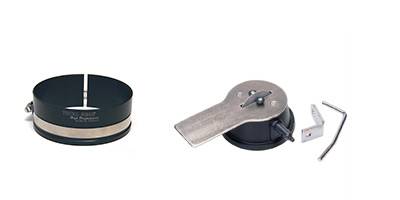
Pontiac V8 Engine Building Tools
Measure It, Do Not Guess It — Engine Building Tools for Pontiac V8s
Engine building tools are what separate an assembly that lives from one that comes back apart. Ring gap, pushrod length, spring installed height, bearing clearance and cam timing are all measurements, not guesses, and on a Pontiac V8 several of them need a tool cut for Pontiac dimensions rather than a generic one out of a parts store kit.
Butler stocks the shop-floor set: Total Seal tapered ring compressors and squaring tools, ring filers, Comp Cams degree and checking gear, valve spring compressors and height gauges, dial bore gauges and indicators, plus Pontiac-specific tools Butler makes in house like the cam degree kit, oil galley plug tool and crank pinning kit.
Select a Sub-Category


Popular Brands:





More About Engine Building Tools
1. Pontiac-Specific Tools You Cannot Substitute
Most of a Pontiac build uses ordinary shop tools. These are the ones where a generic version does not fit or does not reach.
| Crank socket and turning nut | A 1.385" ID socket with 3/16" and 1/4" keyways on a 1/2" drive turns the assembly and holds a degree wheel. The knurled retaining nut loosens on the crank snout so the wheel can turn independently of the engine while you find TDC. |
| Butler cam degree kit | The most complete Pontiac degree kit Butler has found, with the crank socket, the cam checking fixture cut for Pontiac lifter bores, checking springs, piston stop bolt and degree wheel, usable with the heads on or off. |
| Camshaft installation tool | A 7" hex handle that turns with a box end wrench, so the cam goes in without dragging a lobe across a bearing. Fits Pontiac 301, 326, 350, 389, 400, 421, 428 and 455. |
| Oil galley plug tools | A pipe plug tool for the PP475 galley plug behind the distributor and the 3/8 hex plugs in the block. Seized plugs need heat, not more torque. |
| Odds that only matter on a Pontiac | A dipstick tube installation tool, 11 bolt water pump alignment studs, an oil pump primer shaft, valve seal install tools for 0.500 and 0.531 seals, and a carbide tipped valve guide cutter that takes the guide to .500 OD for positive locking seals. |
2. Rings, Pistons and Rods
The bottom end is where a tool either saves a piston or scrapes one, on a stock rebuild and a race build alike.
| Tapered ring compressors | Total Seal adjustable, black anodized billet compressors in five bore ranges from 3.890" to 4.455". The taper compresses the rings as the piston goes in instead of pinching them at the edge of a sleeve. |
| Squaring tools and filers | Dual-sided billet squaring tools in 4.000-4.230" and 4.230-4.380" ranges, and a manual ring filer with a coated grinding stone, bracket and handle. Square the ring in the bore, measure the gap with a feeler gauge, then grind and recheck often. |
| Ring gap | Butler recommends .016 to .018" ring gap for street engines. For anything else, follow the ring manufacturer's instructions for the application. |
| Rod and piston handling | A rod bolt stretch gauge reading in .001" increments, a steel shot filled piston installation tool, a 14mm spark plug style piston stop for finding TDC with the heads on, and a steel rod and piston holder. |
3. Valvetrain and Cylinder Head Tools
Valvetrain geometry is where an otherwise good Pontiac gets hurt, and checking it costs far less than a bent pushrod.
| Spring compressors | A head-on stud mount compressor that fits 3/8" and 7/16" rocker studs for seal changes in the car, and an adjustable head-off compressor rated up to 700 lbs of pressure for bench work. |
| Installed height | Valve spring height gauges in 1.400-1.800" and 1.600-2.100" ranges, reading in .001" increments, so the springs go on where the cam card says they should. |
| Pushrod length | Adjustable 5/16" checkers covering 8.500-9.800" and 8.800-9.800", with ball ends, plus light checking springs so the valvetrain can be cycled without fighting spring pressure. |
| Head work | A step reamer and spot face tool for 1/2" step washers, a valve lash wrench for polylock assemblies, and a spark plug air hose adapter kit in 14mm and 18mm; 14mm is the Pontiac size. |
4. Measuring, Machining and Shop Basics
If you cannot measure it, you are assembling on hope. This is what turns a home build into a checked build.
| Measuring | A dial bore gauge covering 2 to 6" bores, a 1" travel dial indicator kit with magnetic base for degreeing a cam and checking end play and deck height, dial and digital calipers, and a feeler gauge set. |
| Bearing clearance | Butler recommends a dial bore gauge and mics, but Plastigage is the next best thing, and it will tell you whether crank, main and rod clearances are in spec. |
| Cleanup and thread work | Thread chaser sets from 1/4-20 up to 9/16-12, and Brush Research flex-hones in 180 grit: 1" for Pontiac cam gears, 1 1/4" and 2 1/4" for balancer and timing gear work. |
| Protection and storage | Pontiac logo fender protectors and Fender Gripper mats, plus plastic engine, head and crank bags to keep a finished assembly clean. |
| Boost prep | The Butler crank pinning kit is listed here too, for pinning the crank and balancer without pulling either out of the car. |
You do not need every tool here for one engine. Buy the ones that protect parts you have already paid for, and if you are unsure which measurement matters most on your combination, call before the short block goes together.
Not sure what your Pontiac needs?
Email our tech team at tech@butlerperformance.com. Tell us your engine, heads, car, and power goal, and we will put the parts together as one combination that works.