- Home »
- Catalog »
- Gaskets and Freeze Plugs »
- Sealers
Sealers

Pontiac V8 Sealers
Use the Right Tube — Sealers for Pontiac V8s
On a Pontiac V8, sealer is not a substitute for a gasket — it is what seals the places a gasket cannot: the valley rails, the corners where the block, rear main cap and oil pan all meet, and any joint that moves with heat.
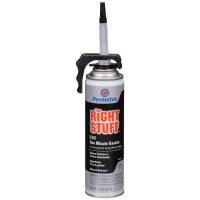
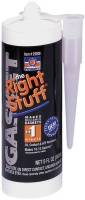
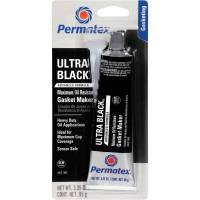
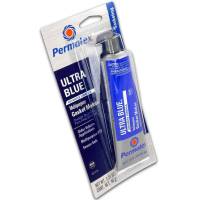
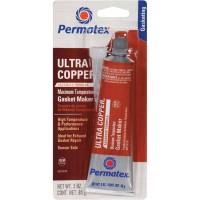
Butler stocks the Permatex silicone family used on the engines built in its own shop: The Right Stuff black one-minute gasket maker in cartridge and aerosol, Ultra Black for maximum oil resistance, Ultra Blue as a multipurpose RTV, Ultra Copper for maximum temperature, and GM engine sealant in a 5.3 oz tube.
Browse Sealers Products


Popular Brands:
More About Sealers
1. Which sealer for which joint
All RTV is not the same. The differences that matter are oil resistance, temperature range and cure time.
| The Right Stuff, black | a one-minute gasket maker, listed for valve covers, oil pans, intake manifold end seals, timing covers and differential covers. It is blowout resistant and designed to return the engine to service in about a minute, with a temperature range of -75 to 450 degrees F. Stocked in a 5 oz cartridge and a 7.5 oz aerosol. |
| Ultra Black | maximum oil resistance, OEM specified, sensor-safe and non-corrosive, rated -65 to 500 degrees F intermittent. The default for oil pan rails, valve covers, intake manifold end seals and timing covers. |
| Ultra Blue | the multipurpose RTV, built for high-torque, high-vibration applications, rated -65 to 500 degrees F intermittent. Valve covers, oil pans, timing covers and differential covers. |
| Ultra Copper | the high-temperature choice, rated -65 to 700 degrees F intermittent. This is the one for exhaust manifolds and headers, and it also covers valve covers, oil pans, timing covers, water pumps and thermostat housings. |
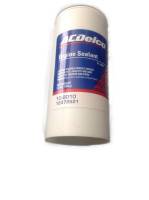
| GM engine sealant | a 5.3 oz tube that requires a caulking gun — the factory-style sealant for builders who want to stay with it. |
2. Where a Pontiac actually needs sealer
There are a handful of spots on a Pontiac V8 that are sealer joints by design, and a few where sealer causes problems.
| The valley rails | the front and rear intake-to-block rails are a silicone joint on most Pontiac builds rather than a gasket joint. Lay a proper bead and let it tack before the manifold goes down. |
| Oil pan corners | where the block, rear main cap and oil pan seams meet is the classic Pontiac seep. With a one-piece pan gasket, some installers deliberately sever the rear seal area, fit the rear to size and seal those corners with RTV. |
| Rear main seal ends | a thin film where the seal halves butt together is normal practice. Packing the groove or coating the seal body is not. |
| Head gaskets | follow the gasket maker, not habit. Silicone RTV is not a head gasket product. |
3. Getting a clean seal
Silicone is unforgiving about surface prep and generous about how little you need.
| Clean and dry | scrape the old material, wipe with solvent and let it flash off. Oil film is the number one cause of a silicone joint letting go. |
| Thin bead | a consistent 1/8" bead is plenty. Excess squeezes inward, breaks off and goes looking for an oil pickup screen. |
Keep two tubes on the bench for an engine build: a high oil resistance black for the pan and covers, and the copper for anything that sees exhaust heat.
Not sure what your Pontiac needs?
Email our tech team at tech@butlerperformance.com. Tell us your engine, heads, car, and power goal, and we will put the parts together as one combination that works.