- Home »
- Catalog »
- Valvetrain Components »
- Lifters »
- Hydraulic Roller Lifters
Hydraulic Roller Lifters
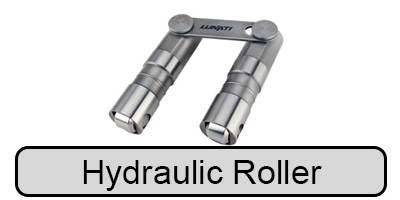
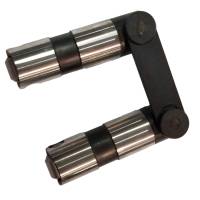
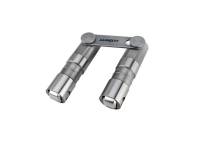
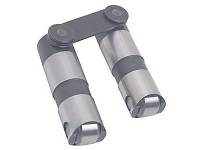
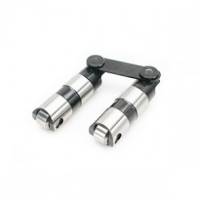
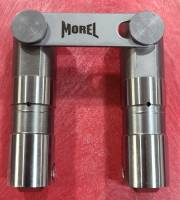
Hydraulic Roller Lifters. These lifters have the same hydraulic cylinder technology and advancment as the hydraulic flat tappet version but feature a roller in place of the tappet. As the cam turns the roller actually rolls along the lobe for less friction and keeps a zero lash by maintaining hydraulic pressure inside the lifter. This greatly reduces friction so it can produce more power. This reduction in friction also means no need for additional oil additives. Roller lifters are only to be used with roller cams. This type of cam and lifter combination is the most durable setup with the lowest level of maintenance. These can also have valve float in higher rpm applications such as 6,000 rpms or more. To reduce this effect we offer a short travel/high rev hydraulic roller lifter for these high rpm applications.
Hyd. Roller lifters require aftermarket valley pan
High-Performance Retro-Fit & Maintenance Solutions
Maximizing the street manners and track-ready capability of classic Pontiac V8s requires premium components designed to handle modern oils, aggressive lobe profiles, increased spring pressures, and elevated RPM ranges. At Butler Performance, we understand the unique block variations, casting nuances, oil galley alignments, and lifter bore tolerances of these vintage powerplants. Upgrading your traditional machine with our premium hydraulic roller lifters eliminates the need for high-zinc break-in additives while bringing modern engineering credibility, reduced friction, increased reliability, and smoother idle characteristics to your street machine or weekend bracket racer. Our meticulously dyno-proven power setups utilize advanced cartridge technology to secure zero-lash stability across the entire power band.
When configuring a hardcore street setup, combining the right lifters with our performance-matched solid flat tappet cam kits, custom hydraulic profiles, specialized pushrods, or dual valve springs ensures optimal valve timing and long-term durability.
Precision Engineering for Maximum Valvetrain Stability
Vintage blocks are prone to lifter bore wear, internal bleed-down, pressure drops, and oil starvation over decades of hard driving. We verify specs across all our product offerings, including updated oil band locations, captive link-bar alignments, heavy-duty snap rings, and precision-machined rollers, ensuring your valvetrain stays quiet and responsive even above 6,000 RPM. Ready to dial in your street or race engine build for uncompromised reliability? Contact our expert team at Butler Performance today to get a technical blueprint for your block preparation, oiling system, valvetrain geometry, and custom engine configuration.
Browse Hydraulic Roller Lifters Products


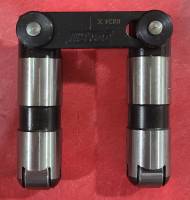

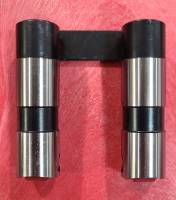
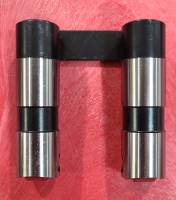

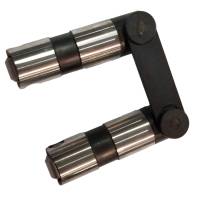


Popular Brands:
More About Hydraulic Roller Lifters
FAQs
Why should I switch to hydraulic roller lifters for my Pontiac V8 engine?
Upgrading your traditional machine eliminates the need for strict zinc additives while protecting your engine against wiped lobes. They handle modern oil formulations, reduce internal friction, improve idle quality, and accommodate more aggressive lobe profiles safely.
Do these retro-fit lifters require any modifications to a vintage block?
Our premium captive link-bar designs are engineered to drop directly into standard vintage blocks without machining. However, it is always critical to check lifter bore clearances and oil galley alignments. You may also need to have professionals check oil band positions during the mock-up.
What pushrod modifications are necessary when installing these components?
Because retro-fit rollers sit higher in the lifter bore than factory flat tappet setups, you will need shorter custom-length pushrods. We always recommend using a pushrod length checker to verify your mid-lift geometry and ensure correct rocker arm alignment.
Can I run these hydraulic lifters with aggressive solid flat tappet cam kits?
No, hydraulic lifters must be matched with a corresponding hydraulic roller camshaft to function correctly. Running them on a flat tappet profile will cause immediate valvetrain failure, incorrect timing, and catastrophic internal engine damage.