- Home »
- Catalog »
- Engine Components- Internal »
- Crankshafts »
- 3" Main- Cast Crankshafts for 326/350/389/400/Aftermarket Blocks
3" Main- Cast Crankshafts for 326/350/389/400/Aftermarket Blocks

Pontiac V8 3" Main- Cast Crankshafts for 326/350/389/400/Aftermarket Blocks
New Casting, Known History — 3" Main- Cast Crankshafts for 326/350/389/400/Aftermarket Blocks for Pontiac V8s
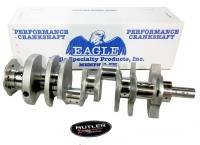
A cast crankshaft is the sensible replacement for a tired factory crank in a 3.00" main Pontiac — the 326, 350, 389 and 400, plus aftermarket blocks cut for the small main. New casting, modern material, known history, and none of the stress cracks that turn up in forty-year-old cores.
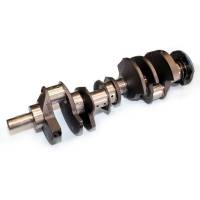
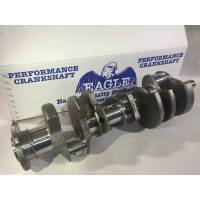
Butler stocks Eagle cast cranks here in both the stock 3.75" stroke with a 2.250" Pontiac rod journal and a 4.250" stroke stroker version on the 2.200" big-block journal, along with factory cranks turned and blueprinted by Lunati and standard crank keys.
Browse 3" Main- Cast Crankshafts for 326/350/389/400/Aftermarket Blocks Products



Popular Brands:
More About 3" Main- Cast Crankshafts for 326/350/389/400/Aftermarket Blocks
1. Stock stroke or step up to a stroker
Two very different builds shop this page, and the rod journal tells you which one you are on.
| 3.75" stroke, 2.250" Pontiac journal | The factory geometry. Eagle's cast crank in this stroke drops into the stock-length 6.625" rod combination, which is what a 389 or 400 rebuild wants. |
| 4.250" stroke, 2.200" big-block journal | The cast stroker option. Eagle lists a 6.800" minimum rod length with it, so this is not a stock-rod build — the rods and pistons change with the crank. |
| Hub register | Both are cut with a 2.75" hub register, which is what the Pontiac balancer expects. |
2. Where a cast crank belongs
Butler is specific about this rather than selling upward, and the guidance is worth taking literally.
| Street engines without power adders | That is the recommendation in Butler's own crankshaft copy. A cast crank is an excellent alternative to an O.E. crank in that service. |
| Why not just reuse the old one | Butler's reasoning is that many factory cranks they check have stress cracks — a crank that has not broken yet can have a problem developing that will take the engine with it. |
| When to go forged instead | Boost, nitrous, or an engine that will live at high rpm. The forged 3.00" main page is the next step, and Butler describes forged as inexpensive insurance even before you need it. |
3. What else changes when the crank does
A crank is never a one-line order on a Pontiac.
| Main bearings | A new crank takes standard-size mains from the 326-350-389-400 group. A turned factory crank takes whatever undersize it was ground to — and on Butler's turned cranks the undersize is confirmed once the order is placed so the correct bearings go with it. |
| Rod journal and rods | 2.250" Pontiac journal keeps you on stock-length rods; 2.200" big-block journal moves you into the stroker rod lengths. |
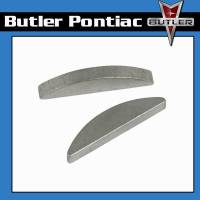
| Crank key | Butler stocks the stock Pontiac crank key here as an individual part. It is the kind of thing you notice missing at the worst moment. |
| Balancing | Butler balances every rotating assembly it sells in house, and balances cranks to a supplied bob weight as a standalone service. |
If the engine is a mild street rebuild that will stay naturally aspirated, a new cast crank in the stock stroke is usually the right call and the cheapest peace of mind on the parts list.
Not sure what your Pontiac needs?
Email our tech team at tech@butlerperformance.com. Tell us your engine, heads, car, and power goal, and we will put the parts together as one combination that works.